

1. Financial Literacy
We train them on understanding the basic concepts of money management such as setting-up bank accounts, savings, interest, investments, insurance, fixed deposits, mutual funds, inflation, time-value of money, and such.
Copyright AAF © 2026. All Rights Reserved.
Crafted By Sagar Tech Technical Solutions
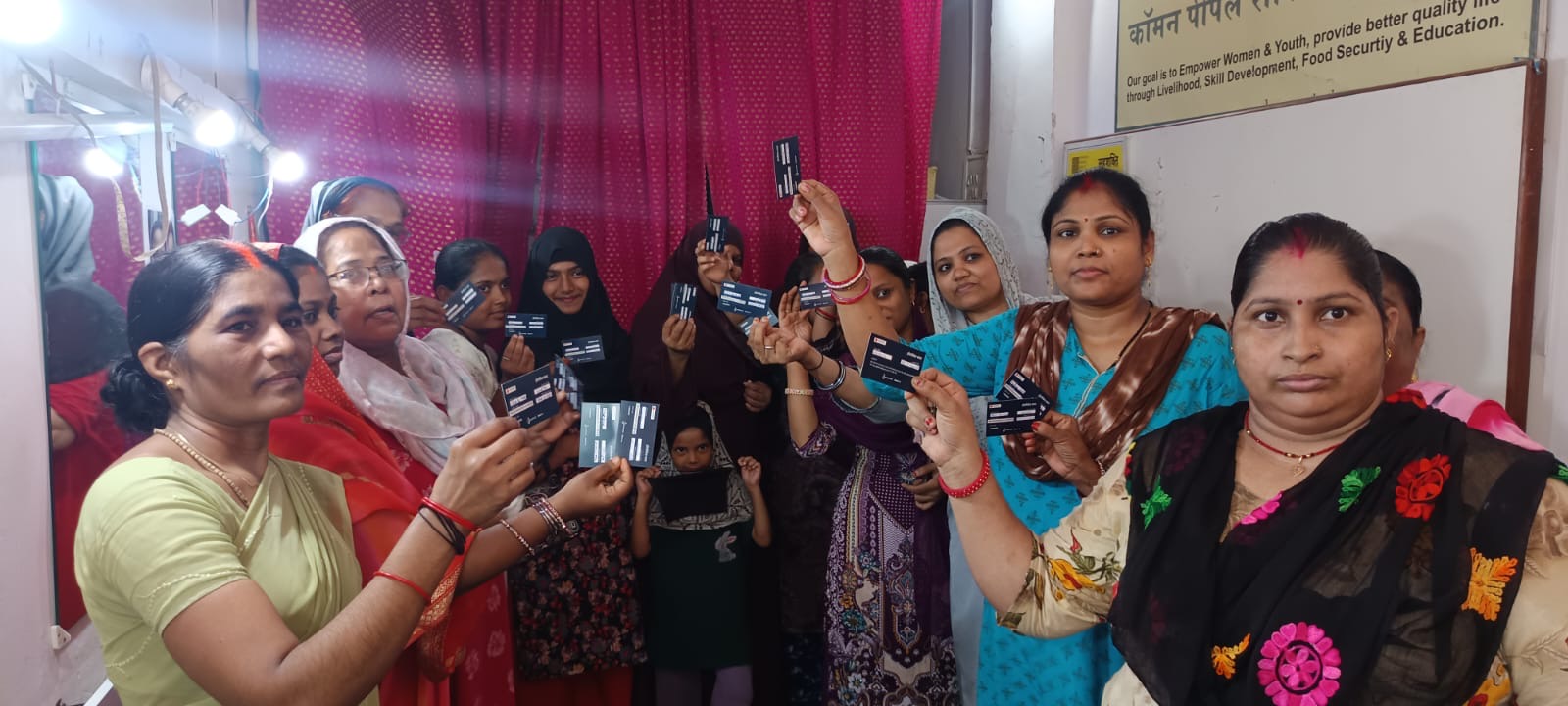
Our pilot program, Project Sukoon, was started in October, 2025 with the objective to secure women from major financial shocks such as healthcare-related debts, and create a corpus for their future. We conduct home visits and identify women who are widowed, divorced, single, abandoned by their husbands, their husbands are incapacitated due to illness, and/or they have dependent children and/or elderly parents to care for and are usually the sole income source for their families.
Currently we are focused on the communities in Nallasopara (East), Vasai (East), and Palghar District, Maharashtra (outskirts of Mumbai city).
We undertake a four-step process to achieve our goal of making these women financially empowered and resilient:


Click here to view our work in action Gallery




Our goal is now to cover 2000 women with Hospicash and facilitate Mutual Fund Investments for 200 women. To support this goal, please click here - Support Project Sukoon
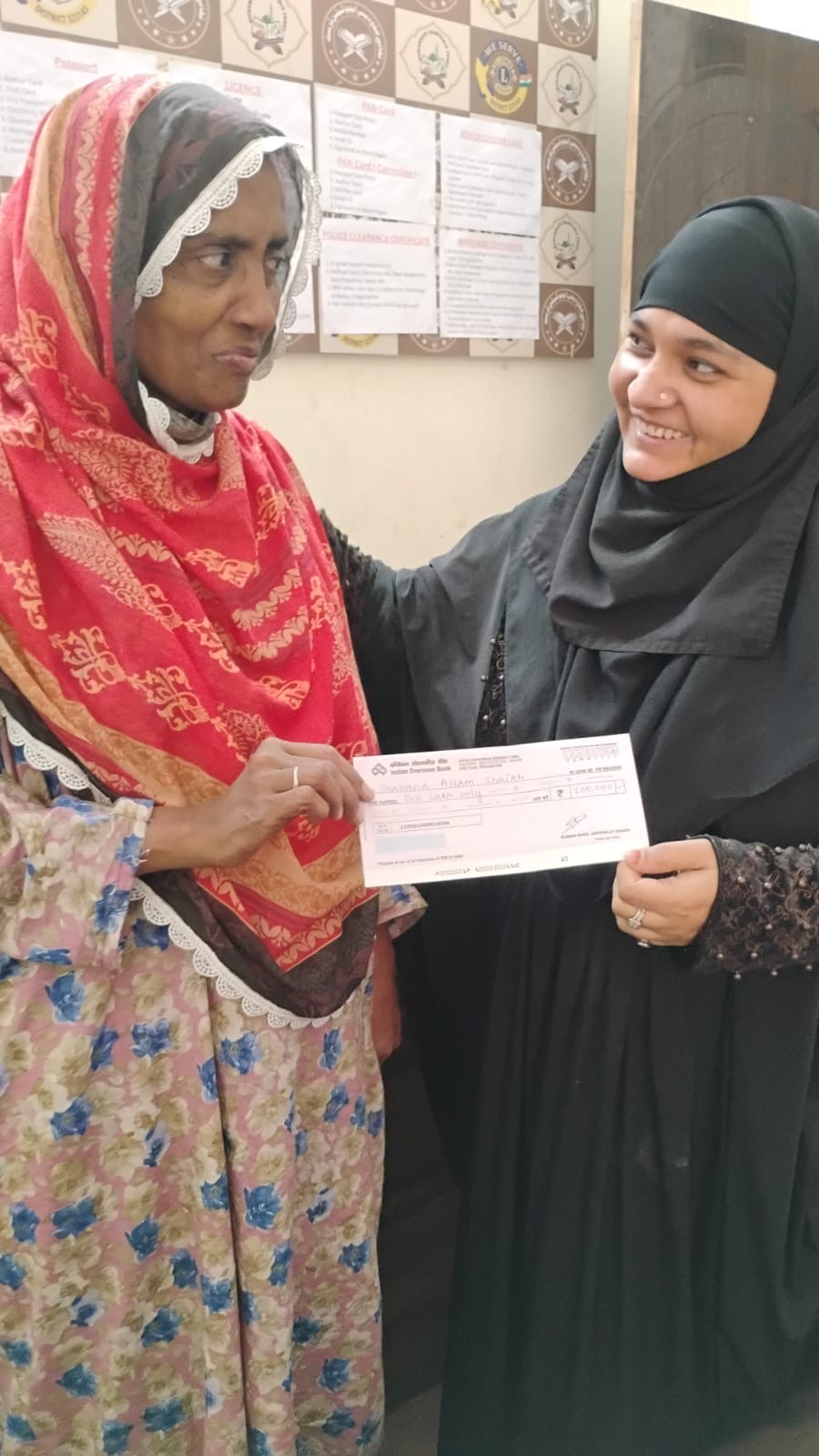
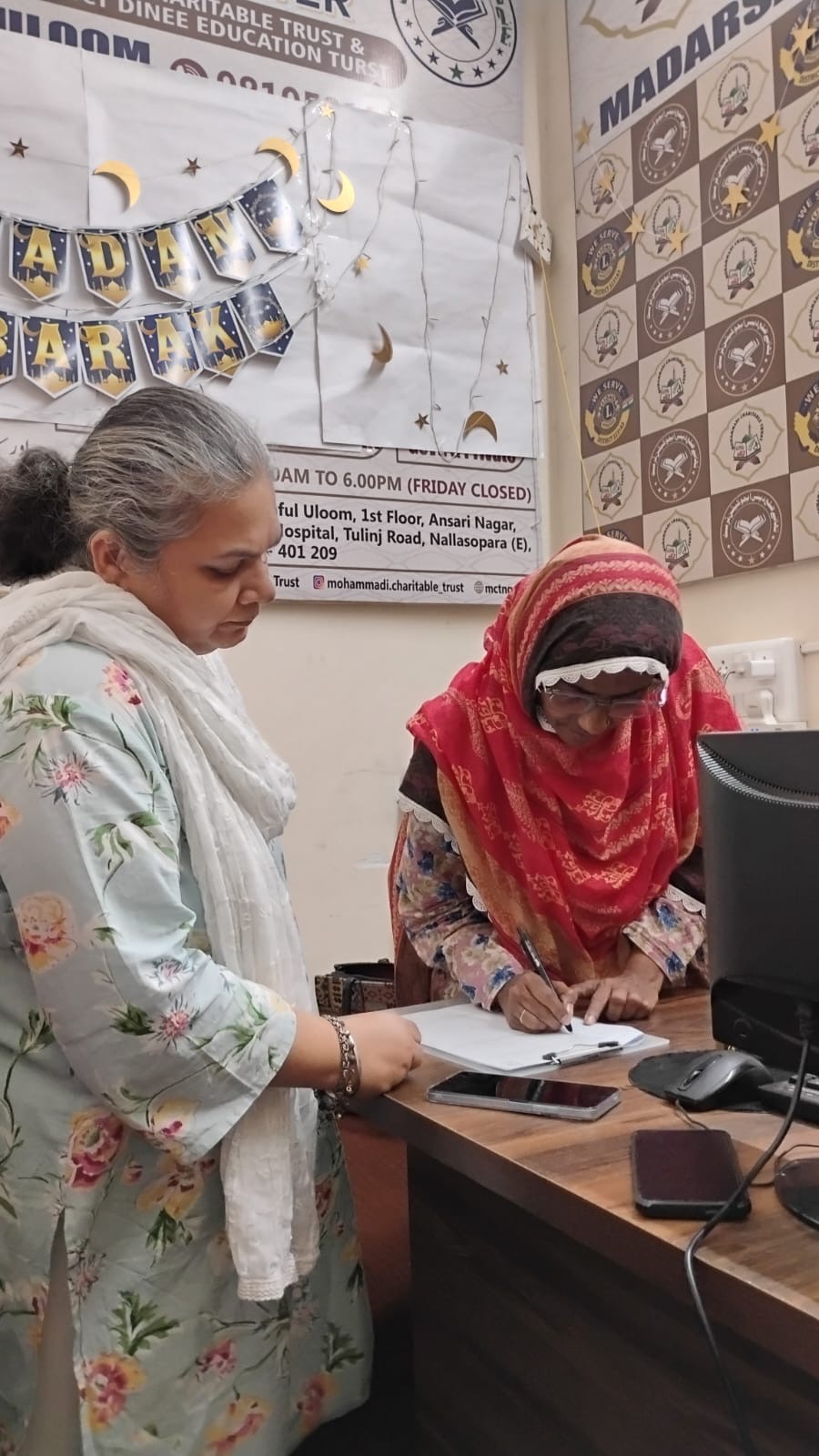
The tenants of Islam encourage believers to engage in acts of charity, generosity, and compassion. “Zakat”, which in Arabic means ‘to purify’ goes beyond giving money. It draws a spiritual link, a bond of empathy and humanity that brings people together. The objective is to create social and financial equity by redistributing or ‘purifying’ wealth.
Zakat is one of the five fundamental pillars of Islam and obligatory on all eligible Muslims. It requires the individual to donate 2.5% of their annual savings towards eight specific categories mentioned in the Qur’an, to support underprivileged Muslims.
Crores of funds are given as Zakat every year, yet we see the community struggle with poverty, lagging in terms of living standards and overall financial stability. This initiative aims to reimagine Islamic charitable giving to build collective resilience and support brighter futures for the most vulnerable.
Traditional approaches to Islamic giving have remained restricted to providing ad-hoc support to those around us or supporting local schools and religious institutions. However, in changing times where our shared future is shrouded by unprecedented challenges like climate change, inequality, and health crisis – giving must become more intentional - a targeted response to the current needs, that can have intergenerational benefits.
AAF is continually working towards building innovative solutions to maximise the value and impact of cash transfers (including Zakat, Sadaqah and Interest funds), through partnerships. We work closely with organisations that lend their expertise and support to help make a real change in the lives of community members.


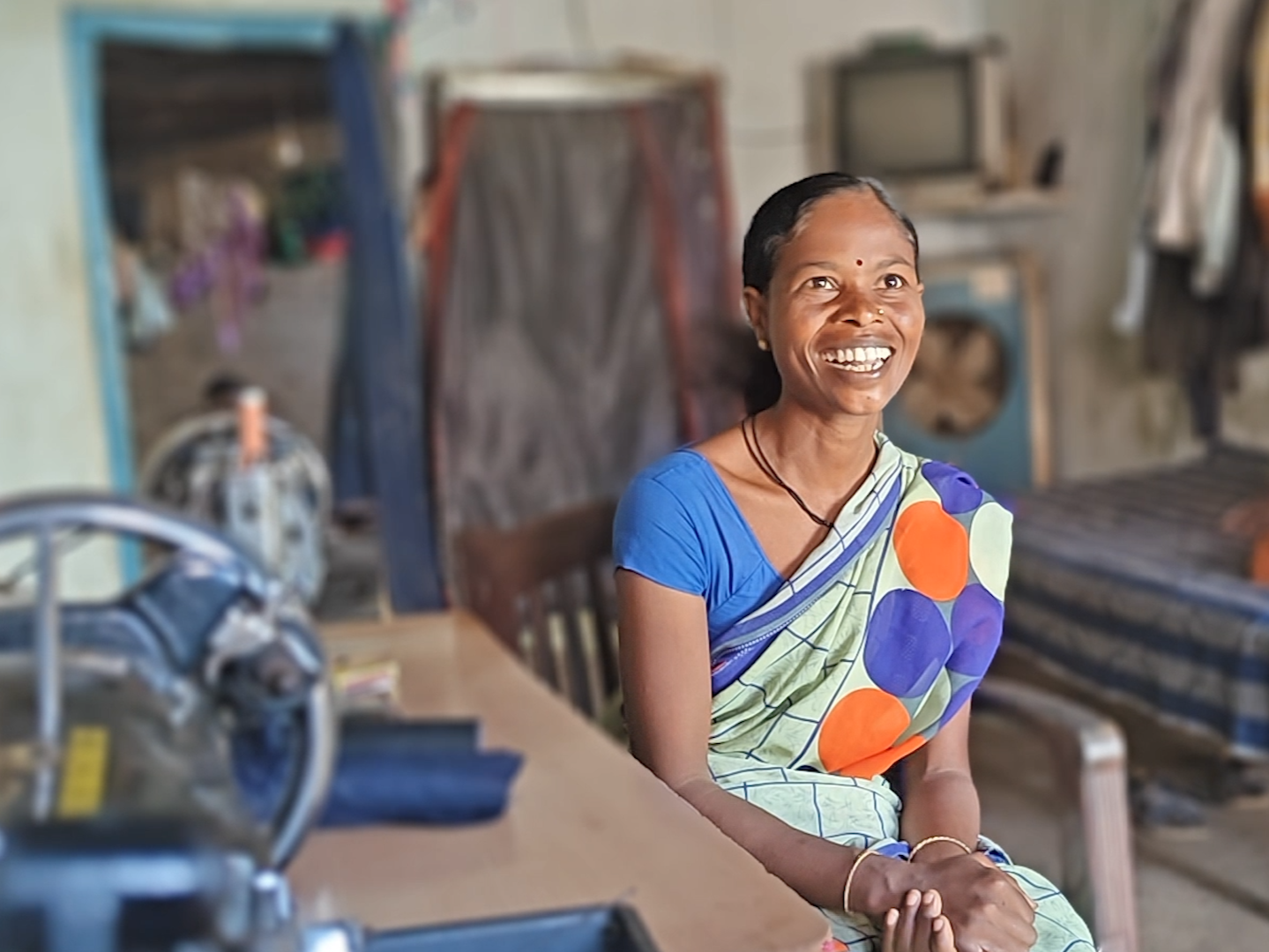
Project DEEP is a Mumbai-based non-profit co-founded by Pankhuri Shah and Muzamil Baig. The organisation works with one of the most rigorously researched approaches to poverty alleviation - direct cash transfers, i.e. giving money directly to people with no strings attached - supported by 300+ global studies, including recent work by Nobel Laureate Abhijit Banerjee.
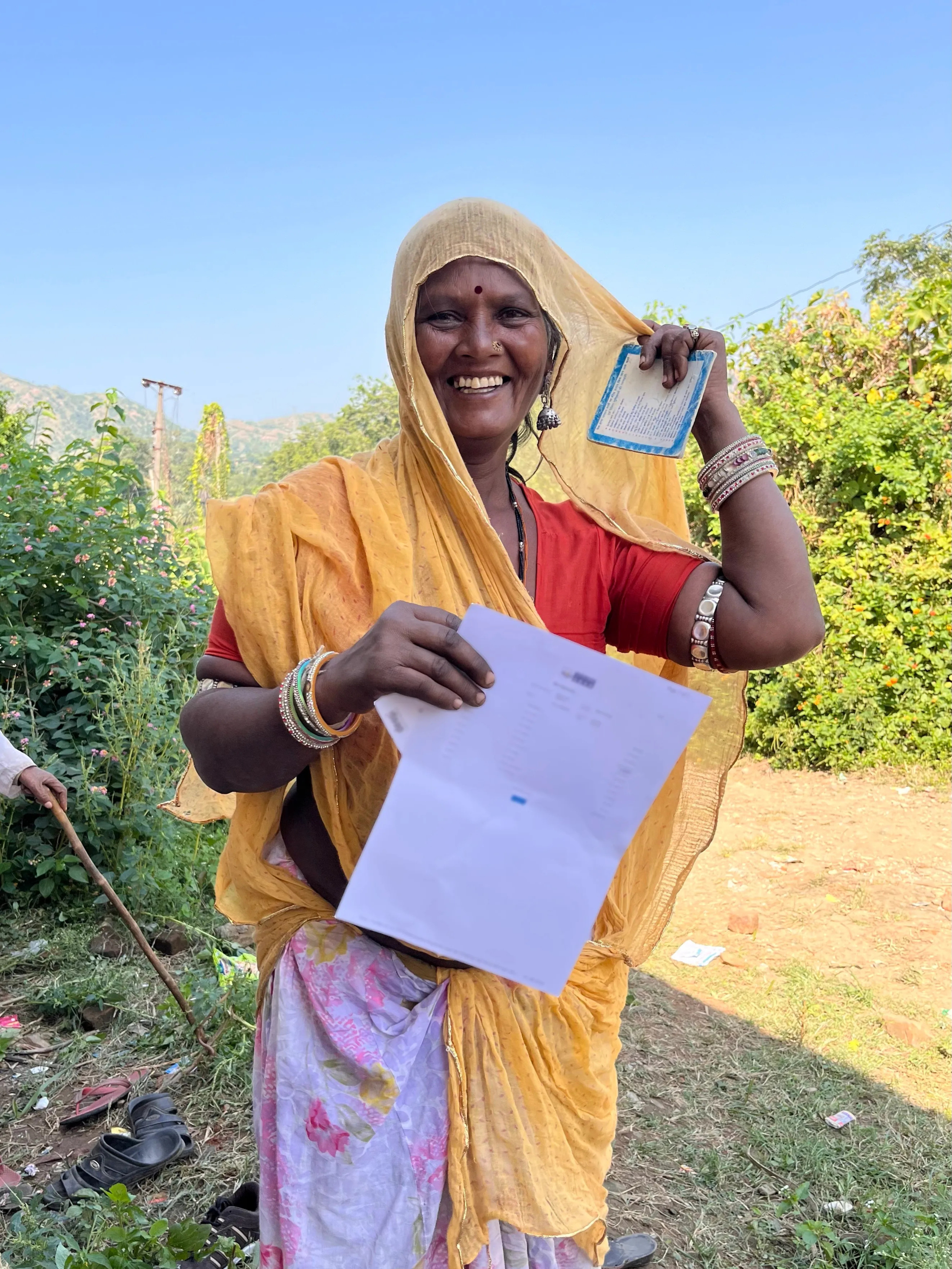
By providing one-time, unconditional lump-sum transfers directly into women’s bank accounts, the model places trust and choice at the centre, enabling households to invest in their own pathways out of poverty, leading to rapid and tangible gains in both economic stability and dignity.
So far, ₹65,000 each has been disbursed to 800+ households from low income, tribal communities in Maharashtra and Rajasthan. Going forward, they aim to continue building new evidence-based programs across different demographics and outcomes.
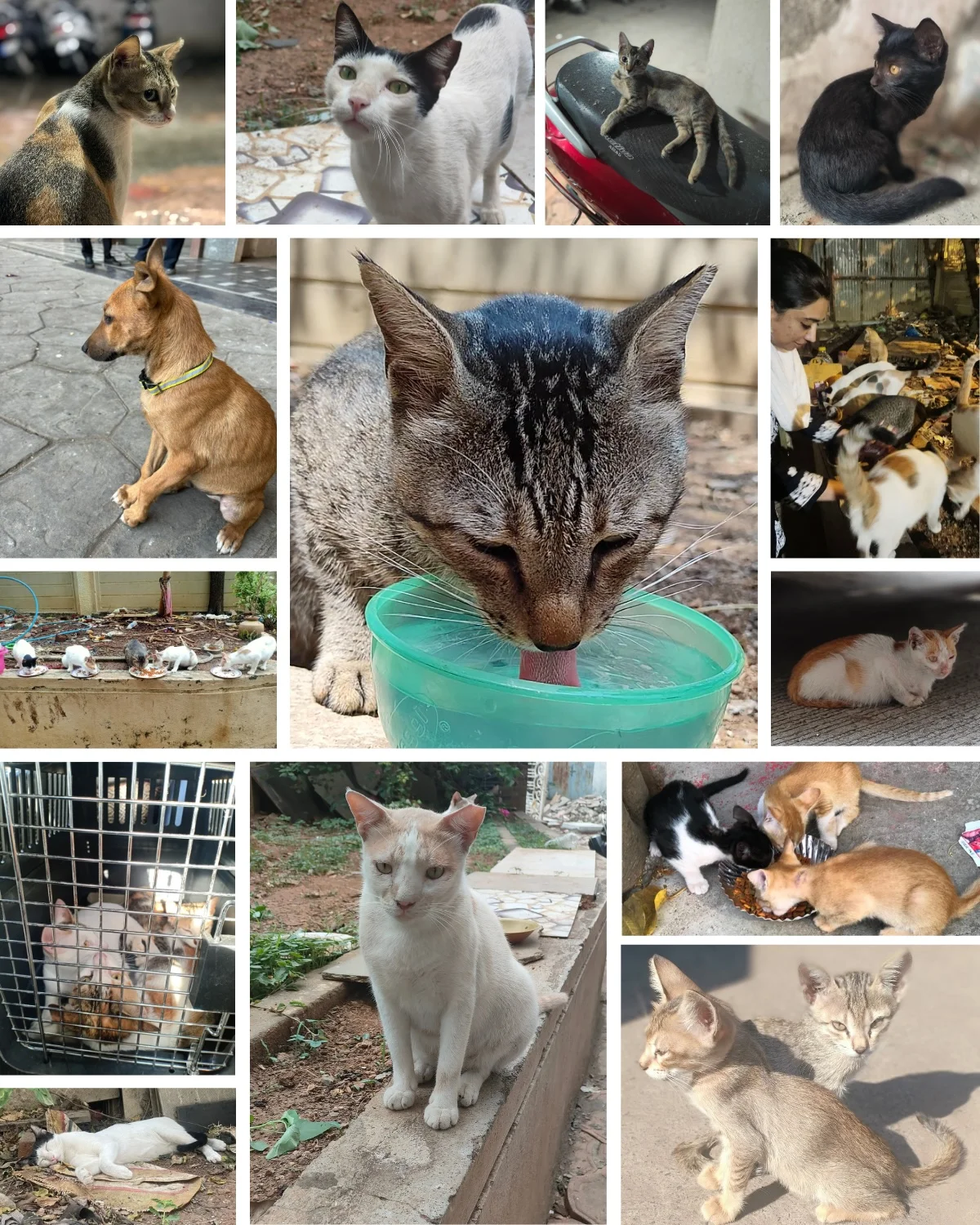
Our co-founder, Saleha Antulay, has been a cat lover since childhood. She would often feed cats around her home but was never permitted to have one as a pet. Her love for animals was never restricted to cats - she dreamed of bringing home anything from a goat to a tiger. She has felt this inexplicable connection with animals since as long as she can remember, always harbouring the hope that when she had a home of her own, she would fill it with as many animals as she could, especially cats.
It was during the COVID-19 pandemic, when so many around her were bringing home pets, that she finally adopted her first two cats in November 2020. Her love for animals and interacting with like-minded people helped her realise why it was so important to adopt an animal from the community instead of shopping for specifically bred pets. Since bringing home her first few cats, her life changed for the better in so many ways. Along with her husband, she started feeding and caring for community cats around her.
The plight of community animals and the dearth of facilities to provide for their care or safety is the reason why we want to do whatever little we can at AAF. We would appreciate any and all support we can get for this cause, especially given the high cost of pet food and veterinary care, despite the availability of subsidies - that too, in limited cases. Those that are out there actively caring for these animals are often attacked and opposed, making it all the more crucial to support these initiatives.
At the end of the day, the purpose is clear - human-animal co-existence. Through our work at AAF, we would like to support small independent animal rescuers and feeders with as much funding as we can, so they can continue to fight the good fight, without interruption due to lack of resources.
Every contribution - no matter how large or small - has the potential to reach an animal in need. Help us help the rescuers and feeders heal and rehome these animals.
Click here to contribute to this cause - Donate.